

(EXAMPLE BLOG ARTICLE)
Mastering New Sod Care For Lasting Growth
What Problems Should You Watch for With New Sod?
Changes in color, texture, or soil moisture can indicate that new sod needs attention. Checking the lawn regularly makes it easier to identify problems before they spread. Florida's heat, humidity, and heavy rainfall can create changing conditions for a newly installed lawn. You should avoid assuming that every patch of discolored grass needs more water, as excessive moisture can also cause damage.
Watch for these common warning signs as your grass begins to establish:
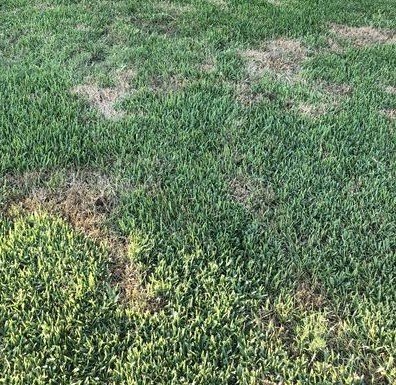
Yellow or brown patches: Check for uneven watering, root stress, pests, or disease
Standing water: Look for drainage issues or excessive irrigation that could interfere with root development
Gaps between pieces: Dry edges or shifting sod can prevent neighboring pieces from joining properly
Weeds or insect damage: Identify the cause before choosing an appropriate treatment
How Should I Care for Newly Installed Sod?
New sod needs enough moisture to help its roots settle into the soil, but too much water can cause problems. A few simple habits can help your lawn establish itself during the first few weeks. The main priorities for early sod care include:
Water the sod immediately after installation, ensuring the soil beneath each piece receives moisture
Check the soil regularly and adjust watering according to rainfall, temperature, and drainage
Look for dry edges, curling grass, or standing water, which may indicate that your watering routine needs adjusting
Monitor weeds, insects, and signs of disease, using suitable treatments when necessary
A consistent lawn watering schedule is particularly important in Florida, where heat can dry out exposed soil quickly.
Frequently Asked Questions (FAQ)
How Can I Tell if My Sod Is Getting Too Much Water?
Soggy soil, standing water, and yellowing grass can indicate overwatering. It's important to check the soil beneath the sod and adjust irrigation based on rainfall and drainage.
What Is the Best Time to Mow Sod?
The best time to mow sod is after the roots have established and the grass has reached its recommended cutting height. The lawn should be firm enough to support a mower without shifting.
Should I Change My Lawn Watering Schedule After Rooting?
Yes. As roots grow deeper, gradually move towards deeper, less frequent watering suited to your grass type and Florida's weather.
Does New Sod Need Fertilizer Right Away?
Not necessarily. Fertilizer timing depends on soil preparation, grass variety, and any products applied during installation. Follow product directions or seek local guidance before applying more.
How Can I Keep My Lawn Healthy After Establishment?
Consistent sod maintenance, including appropriate mowing, watering, and monitoring for weeds or pests, helps maintain healthy growth.